
About Everyman
A psychology clinic for men, with video sessions anywhere in Australia.
We started Everyman because the usual way of doing therapy doesn't suit every man.
Distress in men often looks different. It can show up as anger, drinking or long hours at work, which a standard checklist misses. Men are also more likely than women to drop out of treatment.
So we built a clinic around three things:
- Men choose who they see, and most of our psychologists are men.
- Every psychologist is trained to work with men.
- Treatment is directive and practical, with a plan from the first session.
We see men aged 18 and over.
Our approach to working with men
Your choice
We ask who you'd rather talk to, and we have both male and female psychologists to accommodate it.
Trained for it
Our psychologists undertake specific training in working with men, which is rarely taught in psychology training.
A clear plan
You leave the first session knowing what we're working on, how, and roughly how many sessions.
Straight answers
We're direct about what therapy is and how long it is likely to take. We don't treat reluctance as a lack of motivation.

What we help with
You don't need a diagnosis to book. These are the most common reasons men come in.
Depression: Flat, tired, nothing is enjoyable, pulling away from mates. We provide structured treatment, and a plan with your GP if medication is part of it.
Anxiety and panic: Racing heart, dread before work, avoiding things you used to do. Practical treatment with good evidence behind it, usually over six to twelve sessions.
Anger: A short fuse at home or work. We work out what sits underneath it, how to catch it earlier, and how to repair things with the people on the receiving end.
Separation and custody: Getting through the acute months, co-parenting, and dealing with the legal process without it taking over.
We also help with
Alcohol, gambling and drugs
Cutting down or stopping, and treating whatever it has been covering.
Work, burnout and FIFO
Dreading the fly-in, flat on R&R, a job that has taken over, redundancy.
New fatherhood
Short-term work for dads before and after the birth, including when your partner is unwell.
Trauma after an accident or injury
Trauma-focused treatment, coordinated with your rehab team and GP.
Service and first-response work
Treatment for veterans, police, paramedics and firefighters. DVA cards accepted.
Sport
Long injury lay-offs, deselection, pressure to perform and retirement.
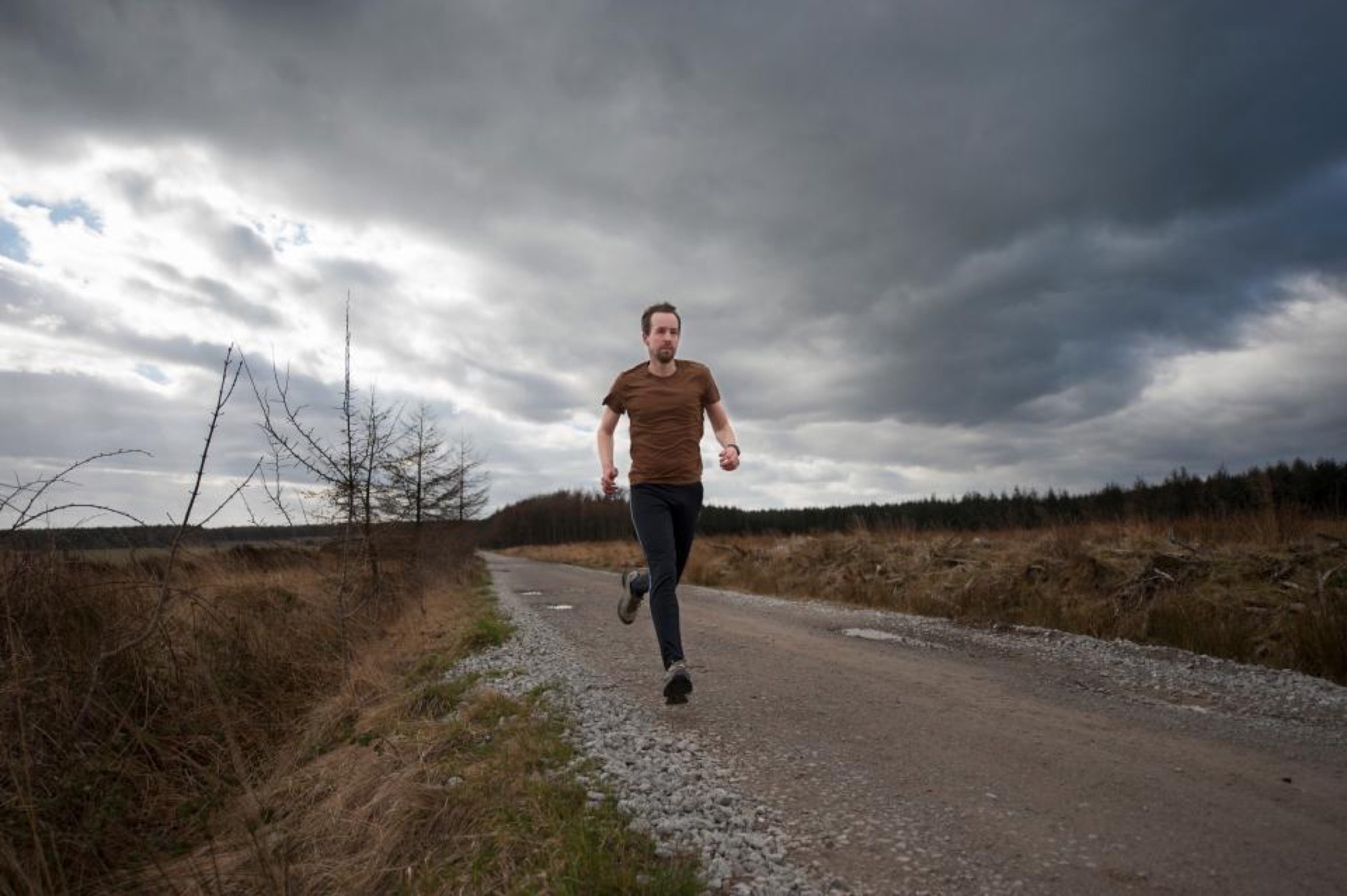
Depression in men often doesn't look like sadness
The usual checklist asks about feeling down, crying and losing interest. Many depressed men report something else first: irritability, anger, drinking, taking risks, burying themselves in work.
A study of more than 5,600 adults in the United States found that when those signs were counted alongside the usual ones, men met the criteria for depression about as often as women.1 Using the standard list alone, men are under-counted.
It means a man can be quite unwell and still be told, or tell himself, that he just has a temper or a drinking problem. Our psychologists are trained to ask about both.
- Martin LA, Neighbors HW, Griffith DM (2013), The experience of symptoms of depression in men vs women, JAMA Psychiatry 70(10):1100–6.
Not sure where to start?
Tell us a bit about what's going on and we'll help you work out the next step.
Get in touch